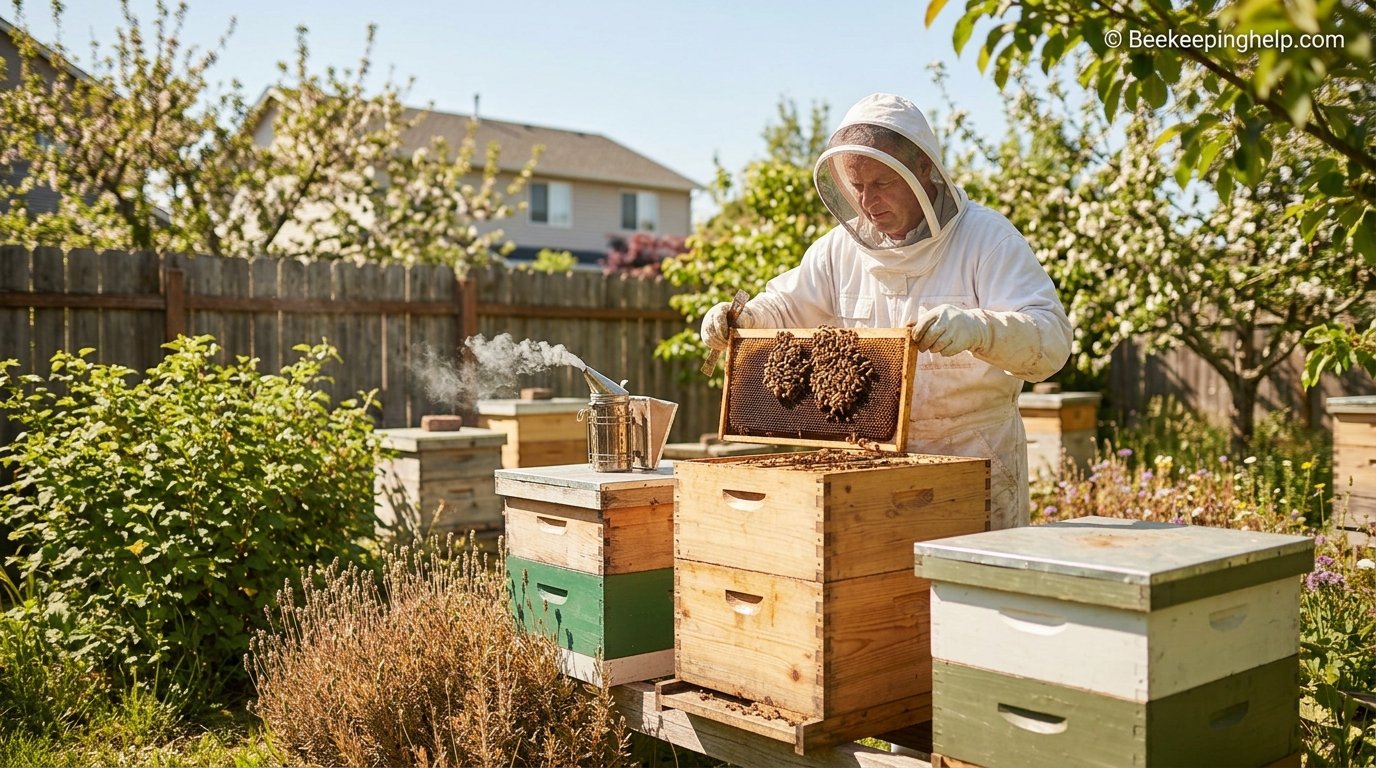
What Is a Dearth in Beekeeping? Causes, Warning Signs, and How to Get Your Colony Through It
A practical, no-nonsense guide to understanding nectar and pollen dearths, spotting them early, and keeping your bees calm, fed, and healthy until the flowers come back.
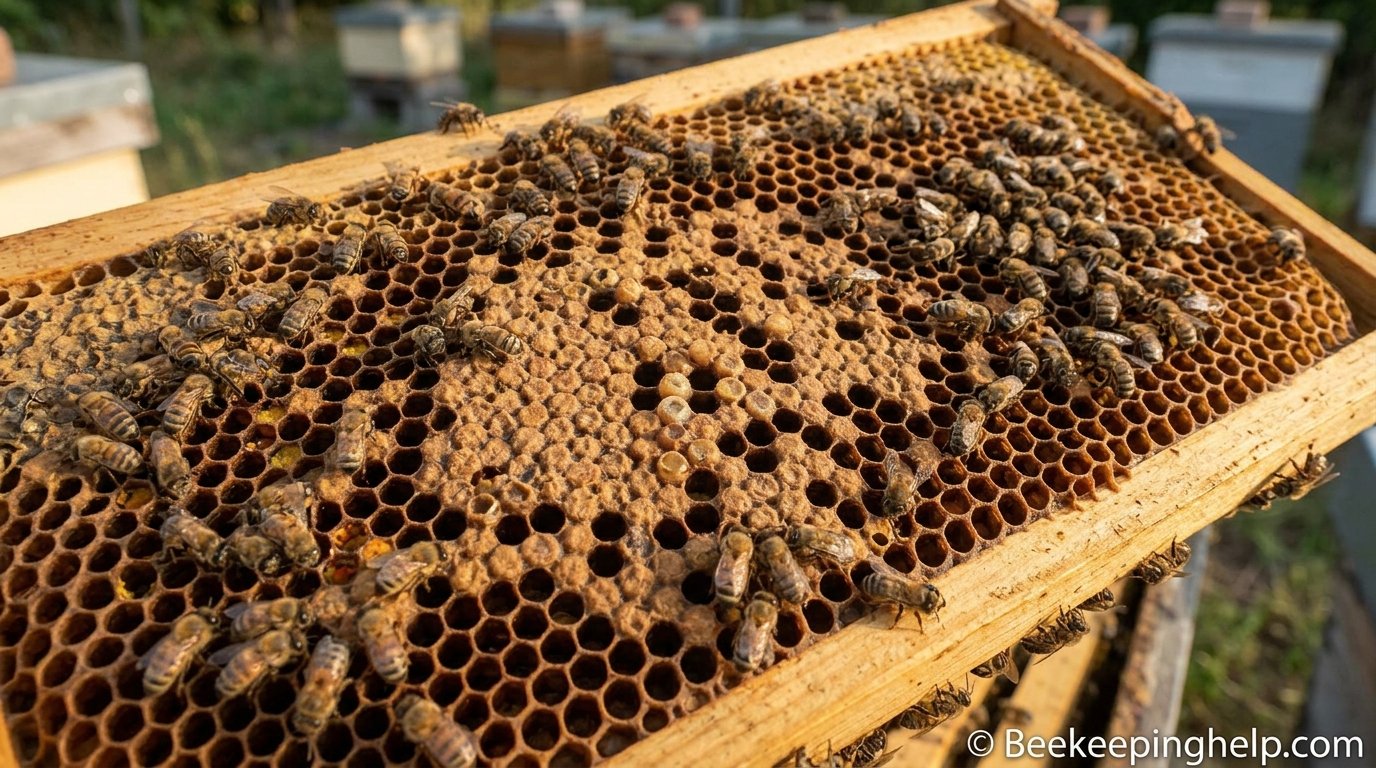
If you’ve ever opened a hive in late summer and found irritable bees, thin honey stores, and almost no fresh nectar coming in, you’ve likely met a dearth. It’s one of the most misunderstood stretches of the beekeeping calendar, and it can quietly undo months of good colony growth if you don’t recognize what’s happening. This guide walks through exactly what a dearth is, why it happens, how to spot one before it hurts your bees, and what to actually do about it.
1. What Is a Dearth in Beekeeping?
In beekeeping, a dearth is any period when there isn’t enough nectar or pollen available in the environment to meet a colony’s needs. It’s not a disease, a pest, or a management failure on its own — it’s an environmental condition, similar to a drought for farmers. Flowers stop producing nectar, blooms dry up, or extreme heat and rainfall patterns shut down foraging opportunities, and the colony’s income essentially disappears overnight.
The word “dearth” simply means scarcity, and in this context it refers specifically to a scarcity of forage. A colony that was bringing in pounds of nectar a day during a spring flow can go to almost nothing within a week or two once the surrounding plants stop blooming. Bees don’t stop needing calories just because the flowers stopped producing them, so the colony has to shift strategy fast — pulling from stored reserves, reducing brood rearing, and in some cases turning on each other or on neighboring colonies to make up the shortfall.
Every beekeeping region experiences some form of dearth at some point in the year. It might last two weeks or two months, and it might happen once a year or twice, depending on climate and local flora. Understanding it is a foundational skill, right up there with knowing how to light a smoker or read a frame of brood.
Beekeepers sometimes confuse a dearth with a “flow ending,” but the two aren’t identical. A flow ending simply means the dominant source has finished blooming; a dearth means nothing else picked up the slack behind it. In a healthy landscape, one flow can taper right into another, so foragers barely notice the transition. A true dearth is what happens when that handoff fails — when the gap between blooms is wider than the colony’s stored reserves can comfortably bridge. This is why two apiaries a few miles apart can have wildly different experiences in the same week: one might sit beside a hedgerow of late-blooming natives while the other faces a mowed field and a dry creek bed. Recognizing dearth as a landscape-level event, not just a hive-level one, changes how you think about solving it — sometimes the fix isn’t just feeding, it’s rethinking where your apiary sits relative to the surrounding forage map.

2. Why Dearths Happen
Dearths are driven almost entirely by weather and bloom cycles, though a few human factors play a role too. The most common triggers include:
- Heat and drought: When temperatures spike and rainfall drops, many nectar-producing plants stop secreting nectar to conserve moisture, even if they’re still flowering.
- End of a major bloom: Regions with one dominant nectar source (clover, tulip poplar, orange blossom) often crash hard once that bloom finishes and nothing else is flowering yet.
- Excess rain: Heavy, prolonged rain can wash nectar out of flowers and keep foragers grounded for days at a time.
- Monoculture landscapes: Areas surrounded by a single crop (soy, corn, wheat) offer a short pollen window and then almost nothing else for miles.
- Late summer heat combined with mowed roadsides: A lot of “weeds” that bees rely on in July and August get mowed down by municipalities or farms before they can bloom.
If you’re just getting started in beekeeping, it helps to research your specific region’s bloom calendar before your first season. Knowing when the dearth typically hits lets you plan feeding and inspections instead of reacting to a crisis. This is especially true if you’re managing a young colony or a nuc that hasn’t built up the reserves an established hive would have.
| Trigger | Typical Season | Severity |
|---|---|---|
| End of spring nectar flow | Late spring / early summer | Moderate to severe |
| Mid-summer heat and drought | July – August | Severe |
| Post-crop bloom (monoculture areas) | Varies by crop | Severe |
| Extended rain events | Any season | Mild to moderate, short-term |
| Late fall cold snap | Late autumn | Mild, natural wind-down |
It’s also worth noting that dearths aren’t always purely natural. Land-use changes — new subdivisions replacing pasture, herbicide spraying along field edges, or a neighbor converting a wildflower lot into turf grass — can quietly shrink the forage radius around an apiary year over year. A location that supported bees comfortably a few seasons ago might now sit inside a much narrower dearth-prone zone simply because the surrounding vegetation changed. Climate variability compounds this further: an unusually warm spell in early spring can pull a bloom forward by two or three weeks, only for a late cold snap to kill the blossoms before bees can fully exploit them, effectively manufacturing a dearth out of what should have been a productive flow. Because of this, relying purely on last year’s calendar can be risky — pairing historical bloom notes with real-time observation of your own bees’ foraging traffic gives a far more reliable early warning than the calendar alone.
3. Nectar Dearth vs. Pollen Dearth
Not every dearth is the same, and the type matters because it changes what your bees are actually missing. A nectar dearth means the calorie supply — the carbohydrate the colony burns for energy and converts into honey — has dried up. A pollen dearth means the protein supply used to raise brood has disappeared, even if some nectar is still trickling in.
You can have one without the other. Some late-summer weeds provide pollen but very little nectar, so a colony might be “pollen-rich, nectar-poor” for weeks. Conversely, certain nectar flows (like some honeydew sources) provide sugar with almost no pollen value at all.
Nectar Dearth Signs
- Thin or empty honey stores
- Bees clustering near entrance, doing little
- Increased robbing attempts
- Weight loss on the hive scale
Pollen Dearth Signs
- Spotty or shrinking brood pattern
- Nurse bees appear stressed or thin
- Queen slows or stops laying
- Bees eating older larvae (cannibalism) in severe cases
Understanding how the different parts of a hive function together — brood chamber, honey supers, and the way bees move resources between them — makes it much easier to diagnose which type of dearth you’re facing just by opening the hive and reading the frames.
It’s also possible to misjudge dearth type by only checking supers. A hive can look reasonably full of capped honey in the top boxes while the brood nest below is running dangerously short on fresh pollen, because bees prioritize placing incoming pollen close to where it’s needed for brood rearing rather than storing it alongside honey. This is why a proper dearth assessment always includes pulling a frame or two directly from the brood chamber, not just glancing at the supers. Look for pollen “halos” — the ring of packed pollen cells that typically surrounds active brood — and note whether they look full and multicolored, a sign of healthy forage diversity, or thin and uniform, a sign of limited or stressed sources. A pollen dearth often shows up in this ring long before it shows up anywhere else in the hive, making it one of the most reliable frame-level diagnostic spots a beekeeper can check.
4. Warning Signs of a Dearth
Dearths rarely announce themselves loudly at first. The earliest signals tend to be behavioral before they’re visible on the frames. Watch for:
- A sudden drop in foraging traffic at the entrance, especially compared to the same time of day a week earlier.
- Bees loitering on the landing board instead of flying in and out purposefully.
- Increased “bearding” even on moderate days, as bees have less work to do and more heat to shed.
- Guard bees becoming noticeably more defensive during inspections.
- Fights at the entrance — a strong early indicator that robbing has started or is about to.
- Thin, watery capped honey being uncapped and consumed rather than added to.
Beyond entrance behavior, sound and smell offer useful secondary clues once you’ve learned to notice them. A colony under dearth stress often produces a slightly higher-pitched, more agitated hum compared to the steady, low murmur of a hive during a strong flow — a difference many experienced beekeepers pick up on before they even lift the lid. The smell inside the hive can shift too; a dearth-stressed colony sometimes carries a thinner, less floral scent compared to the rich, layered aroma of a hive actively curing fresh nectar. None of these signs are diagnostic on their own, but stacked together with the visual and behavioral cues already covered, they build a much more confident read on whether you’re truly in a dearth or just looking at a slow day.
5. Regional and Seasonal Dearth Patterns
Dearth timing is intensely local. Beekeepers in the same state, even the same county, can experience very different dearth windows depending on soil type, elevation, and what’s planted nearby. That said, a few broad patterns show up across most temperate regions:
| Region Type | Common Dearth Window | Notes |
|---|---|---|
| Southeastern U.S. | Mid-July through August | Follows tulip poplar and clover flows |
| Midwestern row-crop areas | Late June, again in August | Short soybean bloom, then nothing |
| Pacific Northwest | Late summer, dry months | Depends heavily on blackberry bloom timing |
| Desert Southwest | Mid-summer heat | Can be severe and long-lasting |
| Northern climates | Late fall pre-freeze | Often overlaps with natural colony wind-down |
Keeping a simple logbook of bloom dates, weather, and hive weight from year to year is one of the most useful habits a beekeeper can build. After two or three seasons, you’ll be able to predict your local dearth almost to the week.
If you keep bees in more than one location, it’s worth tracking dearth timing separately for each yard rather than assuming they move in lockstep. Microclimates created by tree cover, elevation changes, or proximity to irrigated farmland can shift a dearth window by two or three weeks between yards that are otherwise close together. Beekeepers who manage several outyards often find that staggering their equipment and feed reserves across locations, rather than assuming uniform timing, saves a lot of last-minute scrambling. A simple spreadsheet or even a paper logbook noting first-dearth-symptom dates per yard, cross-referenced against rainfall totals for that same period, builds a surprisingly accurate predictive model within just a couple of seasons — often more accurate than generic regional forage calendars found online.
6. How Dearth Changes Bee Behavior
A colony under nutritional stress behaves differently in almost every way. Foragers that were calm and predictable during a nectar flow can become erratic and defensive within days of a dearth setting in. This isn’t random aggression — it’s a direct response to scarcity and the increased competition that comes with it.
Robbing is the single most disruptive behavior tied to dearth. Once one hive discovers a weaker neighbor with exposed stores, word spreads fast, and a full-blown robbing frenzy can strip a weak colony of its honey in hours. Guard bees become hyper-vigilant, inspections get tenser, and even routine hive checks can trigger unusually sharp responses from bees that were docile a month earlier.
Drone eviction is another common dearth behavior. Worker bees, recognizing that resources are tight, will forcibly remove drones from the hive since they consume food without contributing to foraging or hive maintenance.
Communication behavior inside the hive shifts too. The waggle dance, which foragers use to direct nestmates toward productive forage, becomes noticeably less frequent and less enthusiastic during a dearth simply because there’s little worth dancing about. Scout bees that do find a lingering patch of bloom will still dance, but the overall energy and frequency of recruitment activity on the dance floor drops sharply, which is itself a subtle but measurable sign that forage has thinned out. Some beekeepers who’ve spent enough time watching an observation hive can almost gauge dearth severity just by how quiet the dance floor has become compared to flow-season activity.
7. Impact on Brood, Queen, and Colony Health
A prolonged dearth doesn’t just affect adult bees — it reshapes the entire life cycle of the colony. When incoming pollen drops, nurse bees have less protein available to produce brood food, and the queen naturally responds by slowing her lay rate. In severe or extended dearths, workers may begin removing eggs or young larvae from cells to reduce the number of mouths to feed, a process sometimes visible as a suddenly patchy, inconsistent brood pattern.
Queens under sustained nutritional stress can also show reduced pheromone output, which weakens colony cohesion and can occasionally trigger supersedure attempts even outside the normal requeening season. Long-term colony health during dearth comes down to reserves: colonies entering the dearth with strong honey and pollen stores weather it far better than colonies that were already running thin.
Long-term brood interruption during a severe dearth can also affect colony population curves well after the dearth ends. Because it takes roughly three weeks for an egg to become a forager, a dearth that suppresses laying for a month can create a visible population dip five to six weeks later, even after forage has fully returned and the queen is laying at full pace again. This delayed effect catches some beekeepers off guard — they see the dearth end, assume the crisis has passed, and are surprised when population still looks thin a month later. Recognizing this lag helps set realistic expectations: recovery from a dearth is rarely instant, and colony strength typically trails forage recovery by several weeks rather than snapping back immediately.
8. Dearth vs. Other Colony Problems
One of the trickiest parts of diagnosing a dearth is that its symptoms overlap with several other colony issues. Misreading a dearth as disease (or vice versa) leads to wasted treatments and unnecessary stress on the hive.
| Symptom | Likely Dearth | Likely Something Else |
|---|---|---|
| Empty stores + calm brood pattern | Yes | Less likely disease |
| Spotty brood + mite debris on sticky board | Possible contributor | Varroa mites more likely primary cause |
| Sudden aggression across multiple hives at once | Yes, especially with robbing | Less likely a single queen issue |
| Bees crawling, wings deformed | Unrelated | Likely viral (often mite-linked) |
| Whole colony absconds suddenly | Possible if severe/prolonged | Could also be pest pressure or overheating |
If you’re unsure, a full frame-by-frame inspection paired with a mite check is the fastest way to rule things in or out. Dearth stress and mite loads often compound each other, so it’s worth checking both at the same time.
Weather-linked dearth symptoms can also mimic pesticide exposure in a few specific ways, which makes correct diagnosis even more important. Both can produce reduced foraging activity and a drop in incoming nectar, but pesticide exposure typically comes with sudden, sharp bee die-offs at the entrance or twitching, disoriented bees on the ground nearby — symptoms a simple forage-driven dearth does not produce. If you notice a pile of dead or dying bees at the entrance alongside reduced foraging, treat it as a potential pesticide event rather than a routine dearth, and consider what’s blooming or being sprayed within a few miles of the apiary at that time.
9. Feeding Strategies During a Dearth
Supplemental feeding is the primary tool beekeepers use to get colonies through a dearth without losing weight, brood, or bees. The two things to replace are carbohydrates (sugar syrup) and protein (pollen substitute).
- Sugar syrup ratio: A 1:1 sugar-to-water ratio mimics nectar and encourages continued brood rearing; a heavier 2:1 ratio is better for building stores quickly.
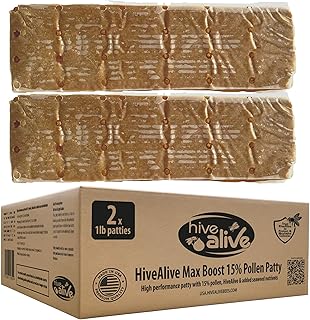
- Pollen substitute patties: Placed directly on top of the brood frames, these offset a lack of incoming pollen and help maintain the brood pattern.
- Feeder choice matters: Open feeding invites robbing; internal or entrance feeders are safer during an active dearth.
Getting the feeder type right for your setup makes a real difference — a well-chosen bee feeder reduces spillage and robbing risk compared to improvised options. If you’d rather build your own, it’s entirely possible to make a bee feeder from basic materials, as long as it seals well and doesn’t leak syrup outside the hive. Whatever you use, be deliberate about what you feed your bees — not all sugar sources or substitutes are equally safe or effective.
| Feed Type | Best Use | Risk Level |
|---|---|---|
| 1:1 sugar syrup | Stimulating brood rearing, spring/early dearth | Low, if fed internally |
| 2:1 sugar syrup | Building winter stores, late-season dearth | Low |
| Pollen substitute patty | Offsetting protein shortage | Low |
| Open feeding (bulk syrup outdoors) | Not recommended during dearth | High — triggers robbing |
Timing your feeding schedule around the hottest part of the day also matters more than most new beekeepers realize. Syrup fed during peak afternoon heat evaporates faster and can ferment more quickly in warm weather, so many experienced keepers feed in the early morning or evening instead, when temperatures are milder and bees can process the syrup before it degrades. It’s also worth rotating feed positions periodically if you’re using frame feeders, since bees sometimes cluster syrup consumption unevenly across a hive, leaving some colonies within the same yard under-fed even when the total volume supplied looks adequate on paper.

10. Managing Robbing and Aggression
Robbing is the dearth-era problem that causes the most colony losses, and it’s largely preventable with the right habits. The core principle is simple: minimize the scent and visibility of exposed honey or syrup, and reduce entrance size so guard bees can defend it effectively.
- Install entrance reducers on all hives, especially weaker ones, as soon as you notice dearth signs.
- Never leave supers, frames, or extracted equipment uncovered near the apiary.
- Work hives quickly during inspections and avoid spilling syrup or honey during feeding.
- If robbing has already started, close the hive being robbed for a short period and reduce the entrance to a single-bee width.
A dependable smoker is one of the most underrated tools for calming a robbing frenzy — a few gentle puffs at the entrance can disrupt the robbing scent trail long enough to break the cycle. If you don’t already have a go-to option, it’s worth comparing a few models of the best bee smoker choices before dearth season hits, and understanding how a bee smoker works so you can use it effectively rather than just puffing smoke randomly.
Personal protective gear also matters more during dearth season, since defensive behavior spikes across the whole apiary. Reading a bee suit review before you buy can save you from a suit that looks fine but doesn’t hold up once bees are genuinely agitated.
Timing your inspections around the dearth also reduces robbing risk substantially. Bees are calmer and less likely to trigger a robbing cascade during the cooler, less active hours of early morning, whereas midday inspections during peak dearth heat coincide with the highest forager activity and the sharpest competition for remaining resources. If you must inspect multiple hives in one visit during a dearth, work your strongest colonies last and your weakest first, since weaker hives are the ones most vulnerable to opportunistic robbing triggered by the disturbance of an open, exposed hive nearby.

11. Dearth-Proofing Your Apiary: Long-Term Strategies
While you can’t control the weather, you can design your apiary and management calendar to soften the impact of a predictable annual dearth. A few strategies beekeepers use year after year:
- Plant a diverse forage buffer around your apiary with staggered bloom times so something is always flowering.
- Leave more honey on the hive heading into a known dearth window instead of harvesting every frame.
- Requeen with locally-adapted stock that’s better suited to your region’s forage gaps.
- Time splits and nuc-making to avoid creating new, weak colonies right before a dearth hits.
- Position hives thoughtfully — good airflow and partial afternoon shade reduce heat stress that compounds dearth effects.
Understanding hive construction and placement also plays a role here. Knowing how a beehive works as a thermal and social unit helps explain why ventilation and shade matter so much once forage — and therefore water-carrying trips — drops off. If you’re building your own equipment, it’s worth learning how to make a beehive with dearth resilience in mind, including entrance sizing that can be adjusted seasonally.
Hive color and finish can also make a measurable difference in how much heat a colony absorbs during the hottest part of a summer dearth, which is one reason many beekeepers take the time to properly paint a beehive with lighter, reflective colors in hot climates.
Water access deserves its own mention in any dearth-proofing plan. As nectar becomes scarce, bees increasingly rely on gathered water to dilute stored honey and regulate hive temperature, so a dependable, close water source becomes more important precisely when it’s easiest to overlook. Apiaries positioned more than a few hundred feet from a natural water source often see foragers wasting valuable energy — and risking exposure to predators or traffic — searching further afield. A simple shallow water station with floating cork or pebbles for safe landing, refreshed regularly, can meaningfully reduce that foraging burden during the exact weeks when every calorie the colony saves matters most.
12. Common Mistakes Beekeepers Make During a Dearth
Mistakes to Avoid
- Waiting too long to start supplemental feeding
- Open feeding syrup near the apiary
- Harvesting too much honey right before a known dearth
- Leaving weak colonies with oversized entrances
- Performing long, disruptive inspections during peak dearth stress
- Ignoring early aggression as “just a bad day”
Better Practices
- Start feeding at the first sign of a nectar drop
- Use internal or entrance feeders only
- Leave adequate stores based on your local dearth history
- Reduce entrances proactively across the whole apiary
- Keep inspections brief and efficient
- Treat repeated defensiveness as a real signal, not an anomaly
Most dearth-related colony losses trace back to one of these avoidable mistakes rather than the dearth itself being unsurvivable. A colony that goes into a dearth well-fed, well-ventilated, and with a properly sized entrance almost always comes out the other side intact.
Another overlooked mistake is treating every dearth the same way regardless of colony age or history. A first-year colony still building comb and establishing its brood nest needs a very different feeding intensity than a mature, well-established colony coasting through a mild, predictable seasonal dip. Applying a one-size-fits-all feeding schedule across an apiary with mixed colony ages often means new colonies are under-fed relative to their actual need, while established colonies receive more supplemental feed than necessary. Assessing each hive individually, rather than managing the whole yard on a single blanket schedule, produces noticeably better outcomes heading into and out of a dearth.
Frequently Asked Questions About Dearth in Beekeeping
How long does a typical dearth last?
Most dearths last anywhere from two to eight weeks, though this varies heavily by region and weather. Some areas experience a short, mild dearth, while drought-prone regions can see dearths stretch for two to three months.
Can a strong colony survive a dearth without any feeding?
A very strong colony with abundant stored honey and pollen can often survive a short, mild dearth without intervention. However, most beekeepers choose to feed proactively rather than risk stores running out unexpectedly.
Is it normal for bees to become more aggressive during a dearth?
Yes. Increased defensiveness and guarding behavior are among the most common and expected responses to reduced forage, largely driven by heightened robbing pressure from neighboring colonies.
Should I stop feeding once I see a few flowers blooming again?
Not immediately. A few isolated blooms don’t necessarily mean a full nectar flow has resumed. It’s safer to continue light feeding until you see a consistent increase in foraging traffic and incoming nectar over several days.
Does a dearth affect honey harvest timing?
Yes. Beekeepers typically avoid harvesting honey right before an expected dearth, since the colony will need those reserves to get through the shortage without excessive supplemental feeding.
Can dearth cause a colony to swarm?
Swarming is more commonly linked to overcrowding during nectar flows rather than dearth itself. However, the stress of a poorly managed dearth can occasionally trigger supersedure or absconding in extreme cases.
What’s the fastest way to confirm a dearth has started?
Compare foraging activity at the entrance to the same time of day a week earlier, and check hive weight. A sudden drop in both is a strong, fast indicator that a dearth has begun.
Do all hives in the same apiary experience dearth the same way?
No. Colony strength, stored reserves, and entrance size all affect how well an individual hive handles a dearth, which is why weaker colonies often need extra attention even when stronger neighbors seem fine.
Is robbing screen use recommended during a dearth?
Robbing screens can be very effective, particularly for weaker colonies, since they force incoming bees to navigate an indirect entrance that guard bees can defend more easily.
Can I plant something specifically to reduce future dearth impact?
Yes. Late-blooming, drought-tolerant forage plants suited to your climate can help extend the available bloom window and soften the severity of a predictable annual dearth.
Does dearth happen in warm climates without a real winter?
Yes. Dearth is tied to bloom availability, not cold weather specifically, so even mild-winter and tropical climates experience their own dearth periods driven by heat, drought, or the end of a local bloom cycle.
Final Thoughts
A dearth isn’t a crisis to panic over — it’s a predictable, manageable part of the beekeeping calendar once you know what to look for. The colonies that come through a dearth strongest are almost always the ones whose beekeepers acted early: feeding before stores ran critically low, reducing entrances before robbing started, and giving the bees a bit of extra grace during a stretch when the environment simply isn’t giving them much to work with. Keep watching your local bloom calendar, keep a light feeding kit ready, and treat dearth season as routine hive management rather than an emergency.