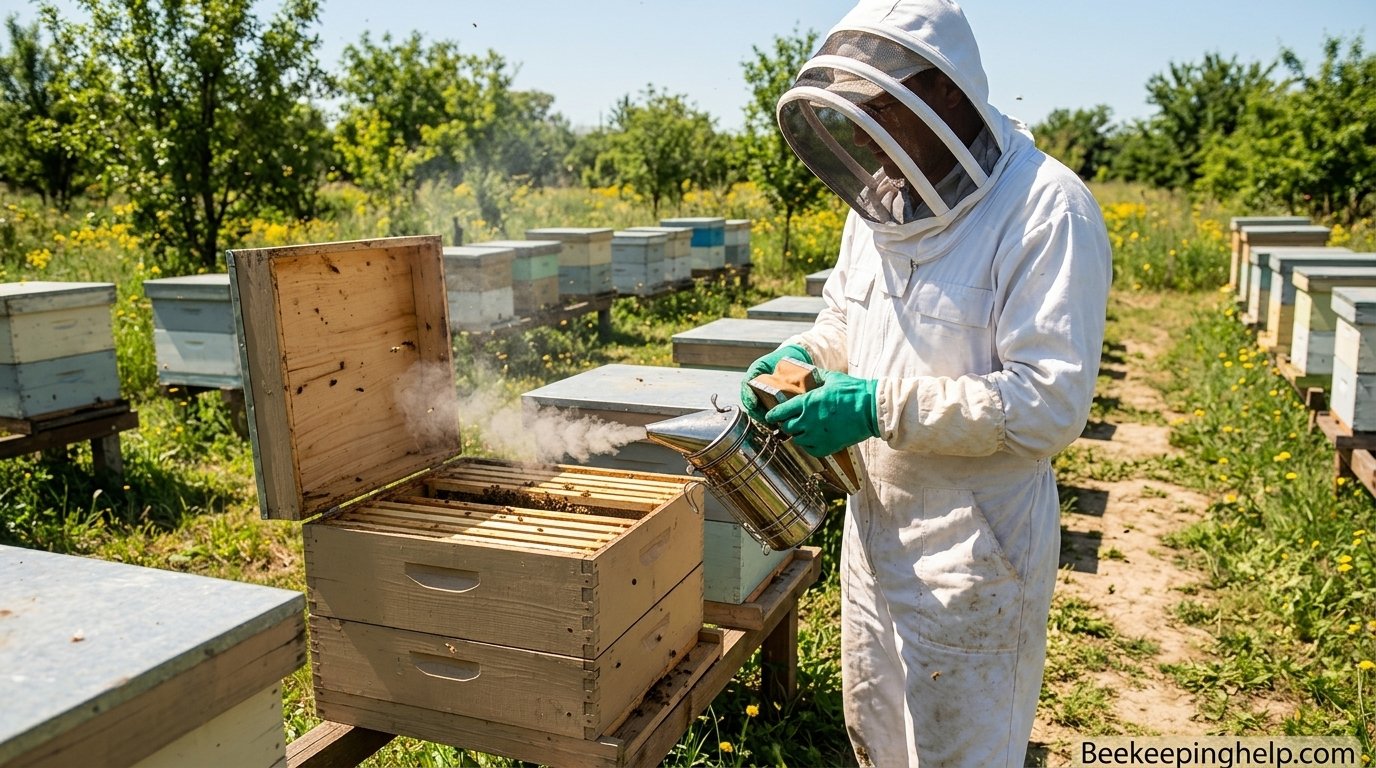
What to Use in a Bee Smoker: The Complete Fuel Guide for Calm, Productive Hive Inspections
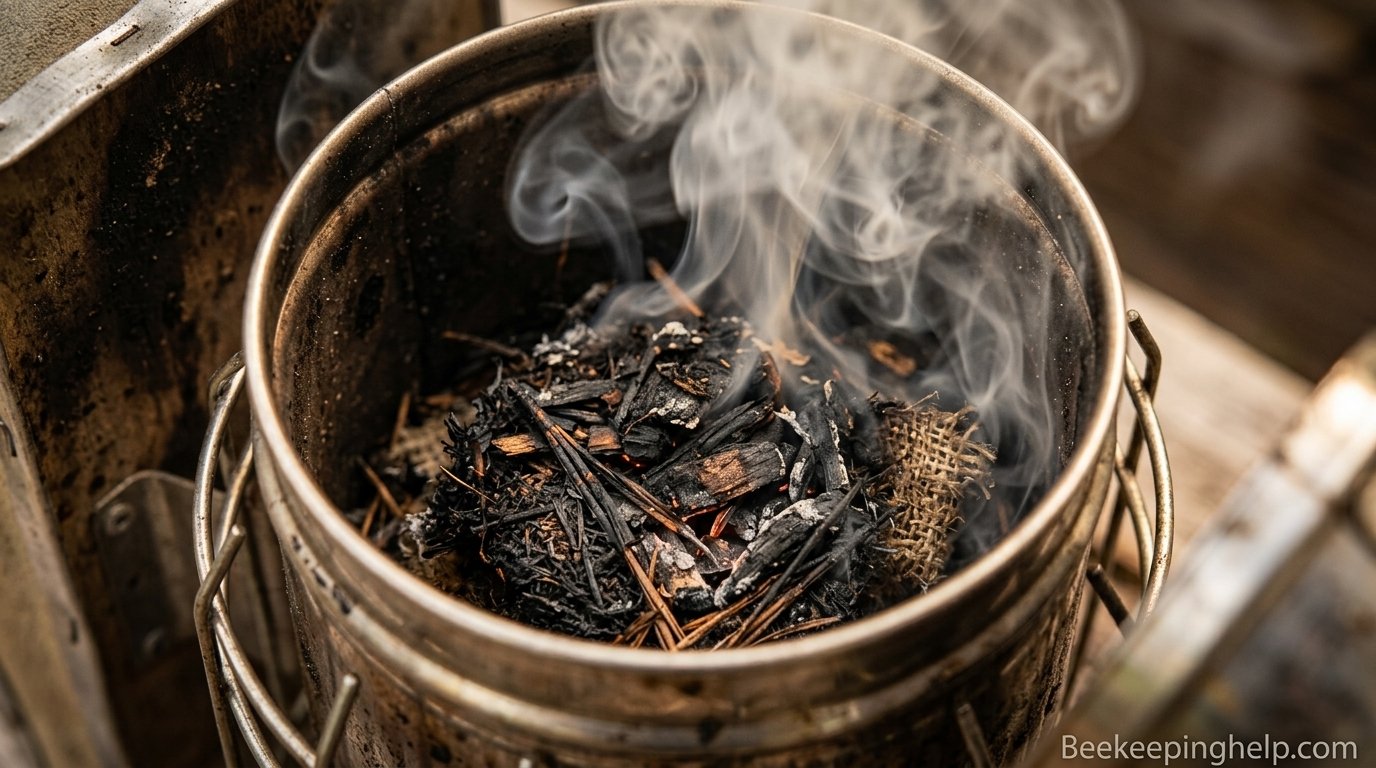
Every experienced beekeeper has a personal opinion about the “best” smoker fuel, and almost none of them agree. Some swear by pine straw, others won’t go near the apiary without a bag of burlap, and a surprising number quietly keep a bag of wood pellets in the truck for convenience. The truth is that there’s no single correct answer — but there absolutely are wrong ones, and choosing poorly can mean a smoker that goes out mid-inspection, agitated bees, or smoke that’s harsher than it needs to be on both you and your colony.
This guide walks through everything worth knowing about bee smoker fuel: what actually works, what to avoid, how to combine materials for the best burn, and how your fuel choice interacts with your smoker’s design, your climate, and your own beekeeping habits. Whether you’re lighting your first smoker or just tired of relighting a fuel that keeps dying on you, you’ll find a practical, no-nonsense answer here.
1. Why Smoker Fuel Choice Actually Matters
New beekeepers are often told simply to “get some smoke going” without much explanation of why the fuel underneath that smoke matters. In practice, fuel choice affects four things every time you light up: how long the smoker stays lit, how cool or hot the smoke is by the time it reaches your bees, how much creosote and resin build up inside the smoker, and how easy the whole process is to repeat during a long day of inspections.
A smoker loaded with the wrong material burns hot and fast, produces harsh, thin smoke, and dies out just as you crack open the second box. A smoker loaded thoughtfully — usually with a mix of a quick-catching tinder and a slow, dense smoldering material — can stay lit for 45 minutes to over an hour with barely any attention.
Good smoke should be cool, thick, and white-to-gray, almost like a gentle campfire that’s mostly smoldering rather than flaming. That kind of smoke calms bees by masking the alarm pheromone (isopentyl acetate) they release, which triggers defensive behavior in nearby bees. Thin, hot, or acrid smoke does the opposite: it can agitate bees, scorch wings, or simply fail to mask the pheromone signal effectively.
The Pheromone Science Behind Why Smoke Works at All
It’s worth pausing on why smoke calms bees in the first place, because understanding the mechanism changes how you think about fuel selection. When a guard bee senses a threat — a bear, a curious raccoon, or a beekeeper prying open the lid — she releases isopentyl acetate, often described as smelling faintly like bananas. This chemical alarm signal spreads quickly through the hive, alerting nearby workers to become defensive and, if the threat persists, to sting.
Smoke interferes with this communication system in two complementary ways. First, it masks the alarm pheromone itself, essentially “jamming” the chemical signal so fewer bees receive or respond to it. Second, and just as importantly, the presence of smoke triggers an evolved survival instinct: bees interpret smoke as a signal of wildfire, and their default response to smoke is to gorge themselves on stored honey in case they need to abscond the hive. A bee with a full stomach of honey has a harder time bending her abdomen to sting effectively, which is part of why a well-smoked colony feels noticeably calmer within a minute or two of a few gentle puffs.
This is precisely why fuel quality is not a cosmetic detail. A fuel that burns hot and thin doesn’t carry enough particulate density to mask the pheromone signal effectively, so you end up pumping the bellows more, generating more heat, and potentially agitating the very colony you’re trying to calm. A fuel that produces cool, dense, lingering smoke achieves the same calming effect with far less effort and far less heat directed at your bees and equipment.
Cost, Convenience, and the “Which Fuel Personality” Question
Ask ten beekeepers what they load into their smoker and you’ll often get ten different answers, and that’s fine — smoker fuel preference tends to fall into a few recognizable personality types. There’s the forager, who never buys fuel and instead fills a five-gallon bucket with whatever dry organic material is lying around the property. There’s the minimalist, who keeps a single bag of commercial cotton rolls in the truck because they don’t want to think about it. There’s the tinkerer, who layers three or four materials together and adjusts the recipe by season. And there’s the bulk buyer, who orders a case of compressed fuel bricks once a year and never worries about running out mid-season.
None of these approaches is inherently better than the others — what matters is that the fuel you choose fits how you actually keep bees. A backyard hobbyist checking two hives every couple of weeks has very different fuel needs than a sideliner running forty colonies across multiple yards who needs a smoker that stays lit reliably for hours without constant refueling.

Recommended: Stainless Steel Bee Smoker with Heat Shield
A quality smoker with a good air bellows makes any fuel perform better and stay lit longer.
Check Price on Amazon2. How a Bee Smoker Works (Quick Refresher)
Before diving into fuel specifics, it helps to understand what a smoker is actually doing mechanically, because that explains why some fuels perform better than others.
A bee smoker is essentially a small metal firebox with a spout on top and a bellows attached to the side or back. When you squeeze the bellows, it pushes air through the firebox, feeding oxygen to the smoldering material inside and forcing cool smoke out through the nozzle. The goal isn’t to create an open flame — flame produces heat and light but very little of the dense, low-temperature smoke that’s actually effective on bees. The goal is smoldering combustion: slow, incomplete burning that produces maximum smoke volume with minimal heat.
This is why fuel density and moisture content matter so much. Fuels that are too dry or too loosely packed tend to flare into flame. Fuels that are too dense or too green can smother the fire and refuse to catch at all. The ideal fuel sits right in the middle — a firm, dry, but not resinous material with enough surface area to smolder steadily once lit.
What Makes a Fuel “Good” for a Smoker?
- Slow, steady smolder rather than an open flame
- Cool smoke output that doesn’t scorch bees or comb
- Long burn time per load (ideally 30–60+ minutes)
- Low resin/creosote so it doesn’t gunk up the smoker or leave a sticky residue on hive equipment
- Availability — ideally something you can source cheaply or for free near your apiary
Understanding how a bee smoker works in more mechanical detail will also help you troubleshoot airflow issues that no fuel change can fix on its own.
Anatomy of a Smoker and Why It Interacts With Fuel Choice
Most bee smokers share the same basic anatomy: a metal firebox (the “can”), a hinged or removable lid with a nozzle spout, an internal grate near the bottom that separates the fuel bed from the air intake, and an external bellows attached at the base. Air enters through the bellows, passes up through the grate, moves through the burning fuel, and exits as smoke through the spout. Every one of these components interacts with the fuel you choose.
The grate, for example, matters more than most beekeepers realize. A grate with wide gaps lets fine material like sawdust or loose grass fall straight through before it ever has a chance to smolder, which is one of the most common reasons a “good” fuel seems to underperform in a particular smoker. If your smoker has a wide-gap grate, you’ll get better results from fuels with larger, denser particles — wood chips, corn cobs, rolled burlap — rather than fine, loose material that needs a denser base layer to sit on top of.
The size of the firebox also determines how long any given fuel load will last. A small, entry-level smoker with a short chamber will burn through the same fuel far faster than a large, deep-chamber smoker used by commercial beekeepers, simply because there’s less fuel mass to sustain the smolder. If you find yourself constantly relighting despite using recommended fuels, it may be worth sizing up to a 4-inch diameter smoker rather than assuming the fuel is the problem.
Bellows Technique Matters as Much as Fuel Type
Even the best fuel in the world will underperform if the bellows technique is wrong. Short, sharp, aggressive pumping tends to flare fuel into open flame, which burns through material quickly and produces hot, thin smoke. Long, slow, deliberate pumps — more like a gentle exhale than a quick jab — draw air through the fuel bed evenly, sustaining a smolder rather than igniting a flame. Once a smoker is going well, it often needs only an occasional slow pump every 30–60 seconds to keep smoke flowing, rather than continuous pumping.
3. The Best Natural Smoker Fuels
Natural, plant-based materials remain the most popular smoker fuel among beekeepers, largely because they’re inexpensive, widely available, and produce the cool, dense smoke bees respond well to. Here are the standouts.
Pine Straw / Pine Needles
Dried pine needles are probably the single most recommended smoker fuel in North America, and for good reason. They’re abundant in many regions, light easily, and — once compressed into the smoker chamber — smolder for a long time while producing thick, cool white smoke. Many beekeepers rake their own from under pine trees for free.
Burlap (Untreated, Natural Fiber)
Burlap sacks, cut into strips and rolled or scrunched loosely, are another classic choice. Burlap smolders slowly and evenly, and its woven texture holds a coal well. The key caveat: only use untreated, natural jute burlap. Some coffee sack burlap is treated with chemicals or dyed with materials you don’t want to burn near your bees or inhale yourself.
Wood Shavings and Sawdust
Untreated wood shavings (the kind sold for animal bedding, as long as they’re not cedar or chemically treated) smolder well and are easy to find at feed stores. Sawdust alone burns too fast and chokes airflow, but mixed with coarser shavings it adds density and extends burn time.
Dried Grass and Hay
Dried, brown grass clippings or hay work in a pinch and are essentially free. They catch quickly, which makes them a good tinder layer, but burn fast on their own, so they’re best combined with a denser material.
Cotton and Untreated Cloth Scraps
Old, 100% cotton rags or twine (never synthetic fabric, which produces toxic fumes) can be balled up and used as an excellent fire starter at the bottom of the smoker.
Dried Corn Cobs
A traditional favorite in rural beekeeping communities, dried corn cobs smolder slowly and evenly and are often available free from farms after harvest season.
Untreated Wood Chips or Bark
Hardwood chips (oak, maple, apple, and similar) smolder for a long time and are widely available in bags at garden centers. Avoid softwood chips high in resin, like fresh pine or fir bark, which can burn hotter and produce sootier smoke.
Cardboard (Uncoated, Unprinted where possible)
Torn strips of plain cardboard, rolled loosely, burn slowly and are essentially free. Avoid glossy, printed, or wax-coated cardboard, which can release unwanted chemicals when burned.
Dried Leaves
Fallen autumn leaves, once thoroughly dried, make a surprisingly capable smoker fuel. They catch quickly and produce a mild, cool smoke, though on their own they burn fast and are best used as part of a layered load rather than the sole fuel source. Oak and maple leaves in particular tend to hold their shape and smolder a bit longer than thinner leaves like birch.
Dried Sumac Bobs
A lesser-known but well-loved traditional fuel among old-timer beekeepers, dried staghorn sumac seed heads (“bobs”) burn slowly, smell pleasant, and hold a coal for an impressively long time once lit. They’re most useful in regions of North America where sumac grows wild along fence lines and field edges.
Untreated Coconut Coir
Coconut coir, the fibrous material often sold as a soil amendment or reptile bedding, is dense, natural, and smolders for a long time once dried out. It’s not the easiest material to light from scratch, but once combined with a hotter tinder layer, coir makes an excellent long-burning base fuel, and a single compressed brick can be broken apart to fuel several smoker loads.
Dried Herbs From the Garden
Some beekeepers deliberately grow and dry lemongrass, lavender, or mint specifically for smoker fuel, both for the pleasant aroma and because these herbs tend to smolder gently rather than flare. This isn’t necessary for effective smoke, but it’s a popular low-cost customization for those who enjoy the ritual side of beekeeping.
Rotten or “Punky” Wood
Partially decayed, dry, punky wood — the soft, crumbly wood found in dead standing trees — is prized by some old-school beekeepers because its porous structure holds a coal for a very long time without much attention. It needs to be genuinely dry rather than damp-rotten, but a chunk of well-seasoned punky wood can smolder for well over an hour.

Recommended: Natural Pine Needle Smoker Fuel (Bagged)
Pre-dried and bagged pine straw takes the guesswork out of sourcing your own fuel.
Check Price on Amazon4. Commercial and Purpose-Made Smoker Fuels
If foraging your own fuel isn’t appealing, plenty of purpose-built products exist that are consistent, easy to store, and designed specifically for smokers.
Compressed Wood Pellets
Heat-treated hardwood pellets (the same kind used in pellet grills, as long as they’re 100% wood with no chemical binders) are compact, low-moisture, and burn very consistently. Many beekeepers like them because a small handful lasts a long time and they store cleanly in a bucket without attracting pests.
Cotton Smoker Fuel Rolls
Several beekeeping suppliers sell pre-rolled, 100% cotton fuel specifically designed for smokers. These light instantly, burn cleanly, and are a favorite for beginners who want a “no guesswork” option.
Commercial Smoker Fuel Pucks/Bricks
Compressed sawdust or hemp bricks made specifically for beekeeping smokers offer a very long, steady burn — some rated for 45–90 minutes per puck — which is ideal for large operations doing back-to-back hive inspections.
Hemp Hurd (Hemp Fiber Waste)
An increasingly popular commercial option, hemp hurd smolders slowly, produces mild, cool smoke, and is a byproduct of the hemp industry, making it a relatively sustainable choice.
| Fuel Type | Avg. Burn Time | Smoke Quality | Cost |
|---|---|---|---|
| Cotton fuel rolls | 20–35 min | Clean, mild | $ |
| Compressed wood pellets | 30–50 min | Cool, dense | $ |
| Fuel pucks/bricks | 45–90 min | Very steady | $$ |
| Hemp hurd | 30–45 min | Mild, cool | $$ |
Smoker Fuel Sprays and Liquid Smoke Additives
A smaller category worth mentioning is liquid smoke concentrate additives, marketed to be sprayed onto natural fuel before lighting to boost smoke volume or add a calming scent. Opinions on these are mixed within the beekeeping community; most experienced keepers view them as unnecessary since a well-chosen natural or commercial fuel, properly layered, already produces more than enough smoke without additives. If you do try one, use it sparingly and stick to products explicitly formulated for apiary use rather than generic liquid smoke meant for cooking.
Choosing Between Natural and Commercial Fuel
The decision between foraging your own fuel and buying a commercial product usually comes down to three factors: time, consistency, and scale. Natural fuel costs nothing but your own labor gathering and drying it, and quality can vary load to load depending on how it was stored. Commercial fuel costs money but delivers a predictable burn every single time, which matters more as the number of hives — and the number of inspections per season — grows. Many beekeepers land on a hybrid approach: free natural material for the bulk of the season, with a bag of commercial pellets or a box of cotton rolls kept on hand as a reliable backup for days when the foraged fuel is damp or in short supply.
5. Fuels You Should Never Use
Just as important as knowing what works is knowing what to avoid entirely. Some materials seem convenient but can harm your bees, contaminate your honey, or damage your smoker.
- Treated or painted wood (pressure-treated lumber, pallets of unknown origin)
- Charcoal briquettes with lighter fluid or chemical binders
- Synthetic fabrics (polyester, nylon — these release toxic fumes)
- Glossy or dyed cardboard and colored paper
- Rubber, plastic, or anything petroleum-based
- Cedar shavings (naturally toxic oils that can harm bees at high concentration)
- Moldy or damp materials (produce acrid, irritating smoke and can smolder unpredictably)
- Anything treated with pesticides or herbicides (dried lawn clippings from a chemically treated yard, for instance)
Burning any of the above risks introducing toxins directly into your hive, since bees fan and process smoke particles throughout their colony, and residues can end up in wax and honey stores.
A Closer Look at Why Each of These Is Risky
It’s easy to dismiss a warning list without understanding the reasoning, so it’s worth walking through why each of these materials is specifically problematic rather than just “not ideal.”
Treated or painted wood — including old pallets, construction offcuts, or reclaimed lumber of unknown origin — is frequently treated with copper-based preservatives, fire retardants, or lead-based paints in older material. Burning these releases the treatment chemicals directly into the smoke stream that flows over your bees and into the hive.
Charcoal briquettes with lighter fluid or chemical binders are formulated for outdoor grilling, not apiary use, and typically contain petroleum-based accelerants and coal dust binders that produce a much harsher, more toxic smoke profile than natural wood.
Synthetic fabrics such as polyester, nylon, or fleece melt and combust very differently from natural fiber; rather than smoldering cleanly, they can release dense black smoke carrying volatile organic compounds and, in some cases, molten plastic droplets that pose a genuine fire hazard inside the smoker itself.
Glossy or dyed cardboard and colored paper often contain printing inks, coatings, and adhesives that weren’t designed to be burned, and the pigments used in colored inks can include heavy metals in older or lower-quality print stock.
Cedar shavings are singled out specifically because cedar (and to a lesser extent other aromatic softwoods) contains naturally occurring plicatic acid and other aromatic compounds that are known respiratory irritants in small mammals and are best avoided around bees in concentrated smoke form, even though the raw wood itself is otherwise natural.
Moldy or damp material doesn’t just burn poorly — mold spores released into smoke can be an irritant, and the incomplete, smothered combustion of damp material tends to produce a much higher proportion of harsh, acrid compounds compared to a clean, dry burn.
Pesticide- or herbicide-treated plant material, such as grass clippings from a chemically treated lawn, is one of the least obvious risks on this list because the material looks perfectly natural. However, herbicide and pesticide residues don’t disappear when the material dries out, and burning them can volatilize those chemicals directly into your smoke.
6. Comparing the Top Fuel Options Side-by-Side
Here’s a practical comparison to help you decide which fuel fits your situation, whether you’re optimizing for cost, convenience, or burn time.
| Fuel | Ease of Lighting | Burn Time | Smoke Coolness | Availability |
|---|---|---|---|---|
| Pine needles | Easy | 30–45 min | Cool | High (free) |
| Burlap | Moderate | 40–60 min | Cool | Moderate |
| Wood shavings | Easy | 25–40 min | Moderate | High |
| Dried grass/hay | Very easy | 10–20 min alone | Cool | High (free) |
| Cotton rolls | Very easy | 20–35 min | Clean | Moderate (buy) |
| Wood pellets | Moderate | 30–50 min | Cool | High (buy) |
| Fuel bricks | Moderate | 45–90 min | Very steady | Moderate (buy) |
| Corn cobs | Moderate | 40–60 min | Cool | Seasonal (free) |
What to look for in a great fuel
- Dry, not damp or moldy
- Untreated, natural material
- Dense enough to smolder, loose enough to breathe
- Consistent, repeatable results
Common fuel mistakes
- Packing it in too tightly (chokes airflow)
- Using green or freshly cut plant material
- Mixing in synthetic or treated materials
- Overloading the chamber on the first light

Recommended: Compressed Hardwood Smoker Pellets
Consistent burn time and easy storage — a great backup fuel for busy inspection days.
Check Price on Amazon7. Layering Technique: How to Build a Long-Lasting Fire
The single biggest factor in smoker performance isn’t which fuel you choose — it’s how you layer it. A three-layer approach consistently outperforms dumping in one type of material and lighting it.
Step-by-Step Layering Approach
- Tinder layer (bottom): A small handful of dry grass, shredded cardboard, or a cotton ball-sized wad of natural fiber. Light this first and let it catch a small flame.
- Kindling layer (middle): Add a loosely packed layer of wood shavings, pine needles, or burlap strips once the tinder is burning. Pump the bellows gently to establish smoke, not flame.
- Fuel layer (top): Once you see steady smoke, pack in your dense, long-burning fuel — corn cobs, compressed pellets, or a rolled burlap “log” — firmly but not so tight that air can’t move through it.
After adding the final layer, close the lid and give the bellows a few solid pumps until smoke flows steadily from the spout. If flame is visible when you open the lid, pack the top layer down slightly and add a bit more fuel to smother it into a smolder.
Reading the Smoke to Know When to Add More Fuel
Part of mastering the layering technique is learning to read your smoker’s output rather than working on a fixed schedule. Thick, rolling white smoke that keeps flowing for several seconds after a single bellows pump means your coal bed is well established and you can leave it alone. Thin, wispy smoke that disappears the instant you stop pumping is an early warning sign that the coal is starting to die out and needs either more fuel or a slightly more vigorous pump to re-establish it. A complete lack of smoke after a pump, accompanied by the smell of pure ash rather than smoke, usually means the fire has gone out entirely and needs to be relit from the tinder stage.
The “Smoker Log” Technique for All-Day Burns
Commercial beekeepers who need a smoker to last for hours across multiple yards often use what’s informally called the “smoker log” technique: rolling a dense material like burlap or cardboard tightly around a core of loose tinder, almost like rolling a cigar, so that the outer layers smolder slowly inward over a long period. A well-made smoker log, packed into a properly established coal bed, can burn for well over an hour with only occasional bellows attention, making it one of the most time-efficient approaches for large-scale operations.
| Symptom | Likely Cause | Quick Fix |
|---|---|---|
| Flame visible in chamber | Fuel packed too loosely / too dry | Pack down top layer, add denser material |
| Smoke stops immediately after pumping | Coal bed not fully established | Add tinder, pump more vigorously for 30–60 sec |
| Thin, hot, sharp-smelling smoke | Fuel too dry or burning too hot | Add a denser, slightly moister natural layer |
| No smoke and cold to the touch | Fire has gone out completely | Empty ash, restart from tinder layer |
| Sticky black residue on smoker walls | Resinous fuel (fresh pine, fir bark) | Switch fuel, clean smoker with a wire brush |
8. Fuel Choices by Season and Climate
Spring (Damp Conditions)
Early spring fuel is often damp from overwinter storage. Store your fuel indoors or in a sealed container over winter, and consider drier commercial options like cotton rolls or wood pellets if your natural fuel has absorbed moisture.
Summer (Dry, Hot Conditions)
Dry summer fuel lights almost too easily and can flare into flame. Pack fuel slightly tighter in summer and keep a water source nearby in high fire-risk areas as a basic precaution.
Fall (Harvest Byproducts)
Fall is prime time for free fuel: dried corn cobs, fallen pine needles, and dried leaves are all abundant. This is a good season to stockpile fuel for the coming year.
Winter (Cold Climate Inspections)
In colder regions, winter hive checks are less frequent, but when they happen, a denser, longer-burning fuel like compressed pellets or fuel bricks is useful since you may be working in the cold for longer stretches and want fewer relights.
Humid vs. Arid Climate Considerations
Climate humidity, independent of season, plays a bigger role in fuel selection than many beekeepers initially realize. In consistently humid regions — parts of the Gulf Coast, the Pacific Northwest, or much of the Southeast — natural fuel left exposed to open air for even a day or two can reabsorb enough ambient moisture to smolder poorly. Beekeepers in these climates often find that pre-drying fuel in a warm, ventilated space (a garage shelf near a dehumidifier, for instance) for several days before use makes a noticeable difference, or that they simply get more consistent results from commercial dried fuels that arrive pre-processed to a low moisture content.
In arid climates like the desert Southwest, the opposite challenge applies: natural fuel can become almost too dry, catching so quickly that it flares into flame rather than smoldering. Beekeepers in these regions often pack fuel slightly more densely than the general guideline suggests, specifically to slow the burn down and keep it in smolder mode rather than flame mode.
Regional Fuel Availability Notes
Fuel availability naturally varies by region, and it’s worth tailoring your approach to what grows locally rather than importing a fuel type that isn’t native to your area. Beekeepers in the Southeast United States often have easy access to pine straw and dried Spanish moss. Midwest beekeepers near agricultural land frequently rely on dried corn cobs and wheat straw after harvest. Pacific Northwest keepers often use dried fir needles and cedar-free wood chips from local mills (being careful to source chips explicitly labeled cedar-free). Beekeepers in the arid Southwest sometimes turn to dried sagebrush or juniper bark, provided it’s free of resin buildup. Wherever you keep bees, the most sustainable and cost-effective fuel is almost always whatever grows or falls naturally in your own region.
9. Does Smoker Fuel Affect Honey or Bee Health?
This is one of the most common concerns among newer beekeepers, and it’s a fair one. Research and long-standing field experience both suggest that natural, untreated smoker fuels used in moderation don’t meaningfully taint honey or harm bee health. The smoke used during inspections is brief and applied externally to mask alarm pheromones — it isn’t drawn deep into stored honey in any significant way.
That said, the type of fuel does matter for two reasons: first, chemically treated or synthetic materials can introduce actual toxins that bees may be exposed to directly; second, excessively heavy or prolonged smoking (regardless of fuel type) can stress a colony and is best minimized to short, purposeful puffs rather than continuous smoke exposure.
The safest approach is simple: stick to natural, untreated, chemical-free materials, and use smoke sparingly and only when needed — a few puffs at the entrance before opening, and a few more if bees become defensive during the inspection.
How Much Smoke Is Too Much?
There’s a meaningful difference between using smoke effectively and over-smoking a colony. A light, well-timed application — two or three gentle puffs at the entrance, a wait of 30 to 60 seconds, then a puff or two under the inner cover before lifting it — is generally all a calm colony needs. Continuous, heavy smoking throughout an entire inspection is both unnecessary and mildly counterproductive: bees that have gorged themselves on honey in response to smoke are, functionally, in a slightly stressed state, and repeatedly re-triggering that response during a single visit adds stress without adding much additional calming benefit. Most experienced beekeepers aim to use the minimum amount of smoke needed to keep a colony calm and manageable, rather than defaulting to heavy smoke on every visit regardless of how calm the bees already are.
What About Honey Bound for Human Consumption?
Because honey is a food product, it’s worth being explicit about the food-safety angle. Smoke is applied to the exterior of the colony and the top of the frames briefly during inspections; it is not injected into capped honey cells, and bees themselves act as a barrier between external smoke exposure and the honey they’ve already stored and capped with wax. Studies and long-standing apiary practice both support that occasional, light smoking with natural fuel poses no meaningful food-safety concern for the honey ultimately harvested. The bigger food-safety consideration by far is avoiding chemically treated fuels in the first place, which is a matter of general apiary hygiene rather than something unique to smoker use.

Recommended: 100% Cotton Smoker Fuel Roll
A clean-burning, chemical-free option that’s easy on both your bees and your lungs.
Check Price on Amazon10. Troubleshooting: Why Does My Smoker Keep Going Out?
Fuel packed too tightly
Airflow can’t reach the coal. Loosen the load, especially the middle layer, and repack slightly looser next time.
Fuel is damp
Even slightly damp material smothers a coal quickly. Store fuel in a dry, sealed container between uses.
No proper tinder layer
Jumping straight to dense fuel without an initial hot tinder base means the coal never fully establishes.
Not enough bellows pumping at the start
The first two minutes need active pumping to build a strong coal bed before you can rely on residual heat.
Smoker vents/holes clogged with creosote
Built-up tar and resin from resinous fuels restricts airflow over time — clean the smoker periodically.
Lid not seated properly
A loose-fitting lid lets too much air escape, preventing the buildup of pressure needed to push smoke steadily out the nozzle.
A Simple Smoker Maintenance Schedule
Many of the “smoker keeps going out” complaints beekeepers run into aren’t fuel problems at all — they’re maintenance problems that happen to show up as fuel symptoms. Building a light maintenance habit around your smoker prevents most of these issues before they start.
- After every use: Tap out loose ash and let the smoker cool completely before storing it.
- Every few uses: Check the internal grate for clogging or heavy creosote buildup and scrape it clean with a wire brush if needed.
- Monthly during active season: Inspect the bellows for cracks or leaks — a bellows that’s losing air through a split seam will never push smoke as effectively as a fully sealed one, regardless of fuel quality.
- Seasonally: Give the entire smoker a deeper clean, removing built-up tar and creosote from resinous fuels, which otherwise narrows the internal airflow path over time.
- Before long-term storage: Store the smoker fully dry, empty, and with the lid slightly ajar to prevent trapped moisture and rust.
A well-maintained smoker paired with a mediocre fuel will almost always outperform a poorly maintained smoker loaded with the “perfect” fuel, which is why maintenance deserves just as much attention as the fuel debate itself.
11. Sustainable and Free Fuel Sources Near You
One of the underrated perks of experimenting with smoker fuel is that most of the best options cost nothing. A few reliable, sustainable sources:
- Landscapers and tree services often give away untreated wood chips for free
- Local farms after corn harvest season are a great source of free dried cobs
- Your own yard — fallen pine needles, dried grass clippings, and dead leaves
- Feed stores sell inexpensive bags of untreated wood shavings by the bag
- Sawmills frequently sell or give away sawdust and shavings in bulk
Sourcing your own fuel also ties directly into the broader sustainable mindset many beekeepers bring to beekeeping as a hobby — using what’s locally available rather than relying entirely on purchased consumables.
Preparing Foraged Fuel Properly
Free fuel is only as good as the preparation behind it. Freshly raked pine needles, freshly cut grass, or freshly gathered wood chips are almost always too green or too moist to burn well right away. A simple, low-effort preparation routine makes a significant difference in performance:
- Spread the material out in a single thin layer rather than a dense pile, which traps moisture and can encourage mold.
- Dry it in a covered, ventilated space — a garage, shed, or covered porch — out of direct rain but with airflow.
- Allow at least one to two weeks of drying time for denser materials like wood chips or corn cobs; lighter materials like grass or leaves may dry in just a few days.
- Once fully dry and no longer flexible or cool to the touch, transfer the material into a sealed, dry storage container.
- Label containers by fuel type and rough drying date if you’re stockpiling multiple batches across a season, so older, better-cured fuel gets used first.
This small upfront investment in preparation is really what separates beekeepers who love their “free” fuel from those who eventually give up on it and switch to commercial products out of frustration — the material itself is rarely the problem, but improper drying and storage almost always are.
12. Storage, Safety, and Handling Tips
- Store all smoker fuel in a dry, sealed container (a metal bucket with a lid works well and reduces fire risk in storage)
- Never leave a lit smoker unattended, even briefly — always place it upright on a heat-safe surface
- Let the smoker cool fully before packing it away, or use a smoker box/cage designed to safely contain a still-smoldering unit
- Keep fuel away from direct sunlight and moisture to preserve its burn quality
- In dry, high fire-risk areas, keep a bucket of water or a spray bottle nearby during inspections as a simple precaution
- Empty and clean ash from the smoker regularly to maintain good airflow for the next use
Fire Safety Beyond the Smoker Itself
Because a lit smoker is, functionally, an open ember source that you’re carrying around an outdoor property, it’s worth thinking about fire safety a bit more broadly than just the smoker’s own construction. Avoid setting a lit smoker directly on dry grass, mulch, or leaf litter, even briefly — a small metal stand, a flat paving stone, or a bare patch of dirt is a far safer resting spot. In particularly dry regions or during official fire-danger advisories, it’s worth checking local guidance on outdoor ember use before heading out, and carrying a small extinguishing option (a water bottle is often enough) is a simple, low-cost precaution that most beekeepers eventually adopt after a close call or two.
When transporting a smoker between yards, many beekeepers use a dedicated metal smoker box or an old ammo can with ventilation holes drilled into it, which safely contains a still-warm or slowly dying smoker during the drive without risking contact with vehicle upholstery or other flammable material.
Extending the Life of Your Smoker Through Fuel Choice
Fuel choice doesn’t just affect a single inspection — over years of use, it affects the lifespan of the smoker itself. Consistently resinous fuels (fresh softwood, unseasoned pine bark) build up thick creosote deposits inside the firebox that are difficult to remove and can eventually corrode or warp thinner metal smokers over time. Beekeepers who prioritize the longevity of a quality smoker often gravitate toward cleaner-burning fuels — dried hardwood material, commercial cotton or pellet products — specifically because they leave less residue behind and require less aggressive cleaning to maintain.

Recommended: Sealed Metal Storage Bucket for Smoker Fuel
Keep your fuel bone-dry and pest-free between apiary visits.
Check Price on AmazonFrequently Asked Questions
What is the best all-around fuel for a beginner beekeeper?
Dried pine needles are usually the easiest starting point — they’re widely available, light quickly, and produce cool, dense smoke without much trial and error.
Can I use regular charcoal in a bee smoker?
Plain, chemical-free lump charcoal can work as a base coal in some setups, but standard briquettes soaked in lighter fluid should never be used, since the chemical residue produces harmful fumes.
Is it safe to use dryer lint as smoker fuel?
Only if it comes from 100% natural fiber laundry (cotton, wool). Lint from synthetic fabrics like polyester releases toxic fumes when burned and should be avoided entirely.
How much fuel should I put in my smoker at once?
Fill the chamber roughly two-thirds full, loosely packed. Overfilling restricts airflow, while underfilling burns out too quickly to last an entire inspection.
Why does my smoke smell harsh or make me cough?
Harsh, acrid smoke usually means the fuel is burning too hot, is damp and smoldering unevenly, or contains treated/synthetic material. Switch to a drier, natural fuel and check your airflow.
Can I mix different types of fuel together?
Yes — in fact, mixing a quick-catching tinder with a slow-burning dense fuel (like grass plus pine needles, or cardboard plus wood shavings) typically outperforms using a single material alone.
How long should a single load of fuel last?
A well-packed load using a proper layering technique should last 30 to 60 minutes, which is generally enough for a full hive inspection with some smoke to spare.
Does the type of fuel affect the flavor of my honey?
When using natural, untreated fuel in normal amounts, there’s no meaningful evidence that it affects honey flavor, since smoke is applied briefly and externally rather than absorbed into stored honey.
What should I do if my smoker fuel is always damp?
Invest in a sealed storage container and keep at least one backup batch of dry fuel indoors, away from humidity, specifically for damp-season inspections.
Are commercial fuel pellets worth the cost compared to free natural fuel?
For beekeepers with only a hive or two, free natural fuel is usually more than adequate. For larger operations doing back-to-back inspections, the consistency and longer burn time of commercial pellets or bricks can save real time.
Can I use essential oil-treated materials to make the smoke smell nicer?
It’s best avoided. Adding oils or fragrances to smoker fuel introduces unknown compounds into the smoke that bees are exposed to directly, and the benefit is purely cosmetic for the beekeeper.
Why did my smoker flame up instead of smolder?
This almost always means the fuel is too loosely packed, too dry, or you pumped the bellows too aggressively right after lighting. Pack the fuel a bit firmer and use gentler, more controlled bellows pumps.
How do I dry my own smoker fuel if I gather it fresh?
Spread the material in a thin layer in a covered, ventilated space away from rain for one to two weeks, then store it in a sealed, dry container once it’s no longer cool or flexible to the touch.
Can I reuse leftover ash or partially burned fuel from a previous inspection?
Fine, dry ash itself has no fuel value, but partially charred material that’s still dry and intact can absolutely be reused as part of your next tinder or kindling layer, and doing so wastes nothing.
Is it normal for my smoker to need relighting once or twice during a long inspection?
Yes, especially on windy days or with a small-chamber smoker. Keeping a small reserve of fuel and a lighter within easy reach makes a quick relight a minor interruption rather than a real setback.
Final Thoughts: Building Your Own Fuel Routine
There’s no universal “best” bee smoker fuel — only the one that’s reliably dry, chemical-free, and easy for you to source and repeat inspection after inspection. Most experienced beekeepers eventually land on a personal go-to combination, often a mix of a free natural material for tinder and a purpose-made product for the dense, long-burning core of the fire. Start with pine needles or burlap if you’re new, keep your fuel dry and sealed between uses, and don’t be afraid to experiment with layering until you find a routine that keeps your smoker lit for an entire inspection without a second thought.
Shop Bee Smoker Fuel Options on Amazon