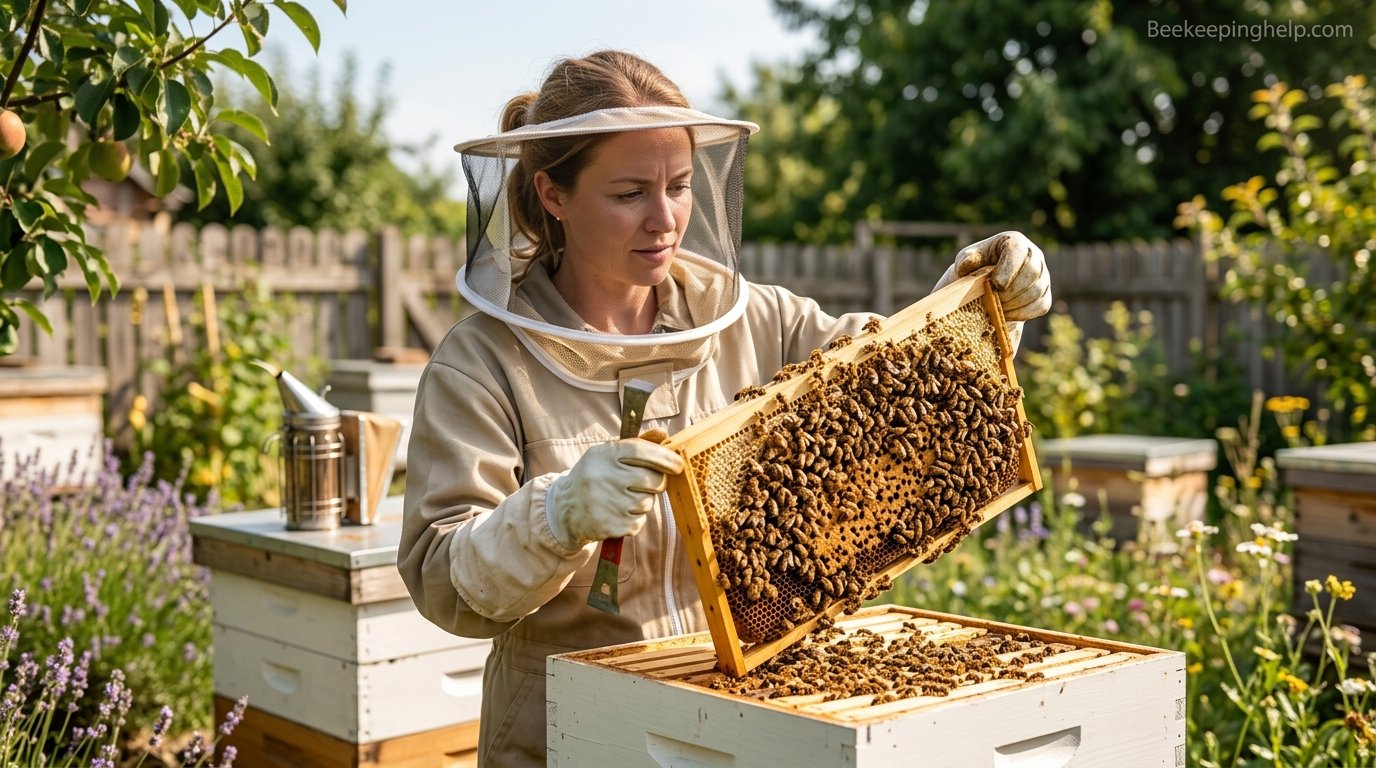
How Hard Is It to Start Beekeeping? An Honest Guide for Beginners
What it actually takes in time, money, physical effort, and nerve to keep your first hive alive and thriving.
If you’ve spent any time on beekeeping forums, you’ve probably noticed two wildly different narratives running side by side. One camp insists that keeping bees is basically gardening with more buzzing — put a box in the yard, check on it occasionally, and harvest honey by fall. The other camp describes years of failed colonies, mysterious die-offs, expensive mistakes, and a steep, humbling learning curve that never quite flattens out. The truth, as usual, sits somewhere in between, and it depends heavily on what “hard” actually means to you. This guide is meant to give you a grounded, unromantic answer: not to talk you into or out of beekeeping, but to walk through exactly where the difficulty lives, so you can decide whether it’s a difficulty you’re willing to take on.
Beekeeping is not intellectually complicated in the way that, say, learning a new programming language is complicated. There’s no calculus involved. But it is a discipline built on hundreds of small judgment calls, made under time pressure, using a living, moving system that you can’t pause or rewind. That combination — simple individual tasks, but a demanding overall rhythm — is what trips up most beginners. If you’re wondering whether you’re the type of person who could pull this off, keep reading. We’ll cover exactly where beginners struggle, what it costs, how much time it eats, and how to avoid the mistakes that kill most first-year hives.
Before diving into the specifics, it’s worth pointing you toward our complete beekeeping resource hub, which links out to deeper guides on nearly every subtopic mentioned here. Think of this article as the “should I even do this” companion piece to that broader library.
1. Is Beekeeping Actually Hard? The Honest Answer
Let’s address the headline question directly: beekeeping is moderately hard to start, genuinely hard to do well, and surprisingly easy to do badly without realizing it. None of the individual tasks — lighting a smoker, pulling a frame, spotting the queen — require athletic skill or advanced education. What makes beekeeping difficult is that it demands consistent attention across an entire season, an ability to read subtle signals (a slightly aggressive hum, a change in brood pattern, a smell that’s just a little off), and the emotional resilience to lose a colony and try again anyway.
Compare it to something like keeping a saltwater aquarium. Nobody expects to become a reef expert in a weekend, and nobody is shocked when their first coral dies. Beekeeping deserves the same framing. According to most established beekeeping associations, somewhere between 30% and 50% of new hives fail to survive their first winter, and that number isn’t a reflection of beekeepers being careless — it reflects how unforgiving small mistakes can be when compounded over months of neglect or misreading.
The good news is that difficulty in beekeeping is front-loaded. Your first season is, by a wide margin, the hardest one you’ll ever have. You’re learning to identify capped brood versus capped honey, learning what a queenless hive smells and sounds like, learning to time your mite treatments, and learning the entire vocabulary of the hobby simultaneously. By year two, most of that becomes second nature, and the workload — while still real — feels far less overwhelming.
If you’re planning to actually launch a hive this year rather than simply research the idea, our dedicated step-by-step guide to starting beekeeping walks through the exact sequence of decisions in order, from ordering bees to your first inspection.
2. The Learning Curve: What You Need to Know Before Your First Hive
New beekeepers tend to imagine the learning curve as a single hump: hard at first, then flat forever after. In reality it’s closer to a staircase. You climb one flight of knowledge (basic hive components, how to light a smoker, how to do a gentle inspection), plateau for a while, and then hit another flight once a real problem shows up — a failing queen, a swarm impulse, a sudden mite spike. Each flight is manageable on its own, but stacked together in your first year, they can feel relentless.
What beginners actually need to learn
- Hive anatomy — brood boxes, supers, frames, foundation, and how they fit together
- Reading a frame — spotting eggs, larvae, capped brood, capped honey, and pollen at a glance
- Recognizing queen presence without necessarily spotting the queen herself
- Basic pest and disease identification, especially varroa mites
- Seasonal timing — when to add supers, when to treat, when to feed, when to winterize
- Swarm prevention and what to do if your colony decides to leave anyway
- Safe, calm hive manipulation that doesn’t agitate the colony unnecessarily
None of these skills are individually difficult to grasp intellectually. Reading about them takes an afternoon. Actually developing the pattern-recognition to do them confidently in the field takes an entire season of repetition, because bees don’t behave identically from hive to hive or week to week. This is why nearly every experienced beekeeper recommends finding a local mentor or joining a beekeeping association before your bees even arrive — a ten-minute in-person correction from someone experienced can save you from a mistake that would otherwise take you three seasons to diagnose on your own.
It also helps enormously to understand the mechanical side of a hive before you’re standing in front of one holding a hive tool. Our breakdown of the parts of a beehive and their functions is a good place to build that vocabulary, and our explainer on how a beehive actually works gives you the “why” behind each part, which makes the terminology stick far better than memorizing labels alone.
| Learning Stage | Typical Timeframe | What Gets Easier |
|---|---|---|
| Absolute beginner | Weeks 1–8 | Basic terminology, comfort suiting up, first inspections |
| First-season beekeeper | Months 2–6 | Reading frames, spotting problems early, timing tasks |
| Overwintering beekeeper | Months 6–12 | Understanding colony rhythms across a full year |
| Second-year beekeeper | Year 2+ | Confidence, faster inspections, proactive rather than reactive management |
3. Startup Costs: Budgeting for Your First Year
Money is one of the more concrete forms of “hard” in beekeeping, so let’s put real numbers on it. A single hive setup — box, frames, protective gear, tools, and a package or nucleus colony of bees — typically runs from a few hundred dollars up to well over a thousand, depending on whether you buy new woodenware or assembled kits, and whether you go with one hive or the commonly recommended two.
Why two hives instead of one? Because a second hive gives you a diagnostic baseline. If one colony looks weak or queenless, you can compare it against the other, and in an emergency you can borrow a frame of eggs or brood to help a struggling colony requeen itself. Going in with only one hive is cheaper up front but removes your safety net — which is its own kind of difficulty, since problems become harder to catch and correct.
| Item | Approx. Cost (single hive) | Notes |
|---|---|---|
| Hive body, frames, foundation | $150–$300 | Assembled costs more than flat-pack kits |
| Protective suit or jacket + veil | $60–$180 | Full suits cost more than jacket-only combos |
| Gloves | $15–$40 | Leather/canvas combos last longer |
| Smoker | $25–$60 | Stainless steel lasts far longer than tin |
| Hive tool | $8–$20 | Buy two — you will misplace one |
| Bees (package or nuc) | $150–$250 | Nucs cost more but establish faster |
| Feeder | $10–$35 | Optional but strongly recommended for new colonies |
For a much deeper cost breakdown — including regional price differences, ongoing annual costs, and where new beekeepers tend to overspend — see our dedicated article on how much it costs to start beekeeping. It’s the single most useful companion piece to this section if budgeting is your main hesitation.
One financial nuance beginners rarely anticipate: your ongoing costs don’t stop after setup. Mite treatments, replacement frames, occasional feed during dearths, and eventual hive expansion all add recurring expense. Budgeting only for the initial purchase and assuming the hobby becomes “free” afterward is one of the more common first-year miscalculations.
4. Essential Equipment You’ll Need
Beyond the hive itself, a handful of tools separate a confident beekeeper from a panicked one. The three most important pieces of gear for a beginner are protective clothing, a reliable smoker, and a good hive tool — everything else is either optional or can be improvised early on.
Must-Have Gear
- Full suit or jacket with attached veil
- Sting-resistant gloves
- A quality smoker with fuel
- A hive tool (J-hook or flat style)
- A bee brush for gentle frame clearing
Nice-to-Have, Not Urgent
- Frame grip / frame perch
- Queen marking kit
- Dedicated extractor (rent or borrow first season)
- Uncapping knife or fork
- Electric fence for bear country
The smoker deserves special attention because it’s the single tool that most intimidates first-timers and yet is genuinely simple once you’ve lit it three or four times. Smoke masks the alarm pheromone bees release when disturbed, which keeps a colony calm during inspections rather than defensive. Our guide on how a bee smoker actually works explains the mechanics, and our companion piece on what fuel to use in a bee smoker will save you from the classic beginner mistake of using fuel that burns too hot or dies out mid-inspection. If you’re comparing models before buying, our best bee smoker roundup covers the models that hold a steady, cool smoke the longest.
Protective gear is the other area where beginners either overspend on gear they don’t need or underspend and regret it after their first sting through thin fabric. If you’re deciding between a full suit and a jacket-only setup, our bee suit review compares ventilation, sting resistance, and mobility across the most popular options, and if you’re worried about wasps as well as bees around your property, our piece on whether bee suits protect against wasps is worth a read before you assume one suit covers every scenario.
5. Choosing the Right Hive Type for Beginners
Hive selection is one of those decisions that feels enormous before you start and fairly straightforward once you understand the landscape. The overwhelming majority of beginners in North America start with a Langstroth hive — the classic stacked-box design — because it’s the most widely supported by suppliers, mentors, and extraction equipment. Top-bar hives and Flow Hives exist as alternatives with their own tradeoffs, but going against the mainstream as an absolute beginner adds difficulty you don’t need yet.
Langstroth vs. Flow Hive vs. Top-Bar
| Hive Type | Beginner Friendliness | Cost | Notes |
|---|---|---|---|
| Langstroth | High | Low–Medium | Standard frames, most mentor support, easiest to source parts for |
| Flow Hive | Medium | High | Easier honey harvest, but inspections still require standard skills |
| Top-Bar | Medium–Low | Low | Simpler build, but less standardized guidance for absolute beginners |
If you’re torn specifically between the two most popular modern options, our head-to-head comparison of Flow Hive vs. Langstroth breaks down cost, ease of inspection, and honey extraction differences in far more depth than a single paragraph here could cover. For most beginners on a budget who want the most support available when something goes wrong, Langstroth remains the safer starting point.
Once you’ve settled on a hive family, you still have choices to make about box material, paint, and even whether to build your own woodenware. If cost or customization matters to you, our guide on how to make a beehive walks through a DIY build from raw lumber, and our behind-the-scenes look at how commercial beehives are manufactured is useful context if you’re evaluating whether a cheap pre-cut kit is worth the savings versus a higher-grade commercial box.
Painting your hive isn’t just cosmetic — proper exterior paint protects the wood from weather damage that can shorten a hive’s usable life by years. If you’re setting up your first box, our step-by-step guide on how to paint a beehive covers which paints are safe near bees and how many coats actually hold up outdoors. And if you’re the type who wants to see real examples before deciding on a look and configuration, our visual roundup of beehive types with pictures is a helpful way to compare designs side by side before you commit to lumber and paint.
6. Time Commitment: How Many Hours Per Week?
This is where a lot of beginners get caught off guard, because beekeeping’s time demands are lumpy rather than steady. During a slow winter stretch, you might spend zero hours at the hive for weeks at a time. During peak spring buildup or swarm season, you might need to inspect every seven to ten days, plus additional time for feeding, treatment applications, and equipment prep.
| Season | Typical Hive Time | Primary Tasks |
|---|---|---|
| Early Spring | 1–2 hrs/week | Buildup checks, feeding, swarm prevention |
| Late Spring / Summer | 1–3 hrs/week | Adding supers, mite monitoring, swarm control |
| Late Summer / Fall | 1–2 hrs/week | Harvest, mite treatment, winter prep |
| Winter | Under 30 min/week | Occasional weight checks, minimal disturbance |
On average, a single well-managed hive costs a beginner somewhere between 15 and 40 hours across an entire year — far less than most hobbies that people consider “time-consuming,” but concentrated into inconvenient bursts. The difficulty isn’t total hours; it’s that those hours can’t always be rescheduled around your life. A colony building toward a swarm doesn’t wait for your vacation to end, and a mite treatment applied two weeks late can be the difference between a colony that survives winter and one that doesn’t.
This is one of the quieter reasons people underestimate beekeeping’s difficulty. It’s not a hobby you can pick up for an afternoon and set down for a month without consequence, at least not during the active season. If your schedule is already unpredictable, it’s worth being honest with yourself about whether you can protect a handful of specific weekends each year for time-sensitive hive tasks.
7. Physical Demands and Safety Considerations
Physically, beekeeping sits on the moderate end of outdoor hobbies. A full deep box loaded with honey can weigh 60 to 90 pounds, which matters if you have back issues or limited lifting capacity — this is worth planning around, whether that means using medium boxes exclusively (lighter, more boxes) or arranging help during harvest.
Beyond lifting, the physical demands are mild: bending, occasional lifting, standing for the duration of an inspection (typically 15–30 minutes per hive), and working in a hot suit during summer months, which itself is a real consideration for anyone sensitive to heat. Wearing a full protective suit in July sun is genuinely uncomfortable, and heat exhaustion is a more realistic beginner risk than most people expect walking in.
Safety-wise, sting reactions are the obvious concern, but severe allergic reactions are rare in the general population — most people experience localized swelling and discomfort rather than anaphylaxis. Still, if you have any known history of insect sting allergies, this is a conversation to have with a doctor before your bees arrive, not after your first sting.
Suit maintenance is a smaller but real part of the physical side of the hobby. A suit that’s dirty, torn, or improperly sealed at the wrists and ankles is one of the most common reasons beginners get stung more than necessary. If your suit has seen a season of use, our guide on how to properly wash a bee suit covers the washing methods that won’t degrade the fabric’s protective weave — regular laundry settings can actually loosen the tight weave that keeps stingers out.
8. Dealing with Bee Stings and Fear
Almost every beekeeper, no matter how experienced, remembers their first sting vividly. It’s rarely as bad as new beekeepers imagine, and for most people, the anticipation is worse than the event itself. That said, fear is one of the genuine psychological difficulties of this hobby, and pretending it isn’t real does beginners a disservice.
The practical antidote to fear is competence, and competence comes from smoke management more than anything else. A calm, well-smoked hive is dramatically less likely to produce defensive behavior. Learning to use your smoker correctly — enough smoke at the entrance before you open the lid, a few gentle puffs across the top bars once it’s open, and restraint rather than over-smoking — does more to reduce your sting risk than any amount of gear ever will.
What Actually Reduces Stings
- Proper, patient smoker use before opening the hive
- Slow, deliberate movements during inspection
- Inspecting on calm, sunny days rather than before storms
- Avoiding strong perfumes or dark clothing near the hive
What Increases Sting Risk
- Rushing an inspection or working impatiently
- Opening the hive on cold, windy, or stormy days
- Standing directly in the flight path of the entrance
- Wearing an ill-fitting suit with gaps at the wrists or ankles
It’s also worth acknowledging that fear compounds with other stressors — bees can be more defensive if they’re queenless, if a predator like a skunk has been bothering the hive at night, or during a nectar dearth when robbing pressure from other colonies is high. Recognizing that a defensive day is often a symptom of something else, rather than a sign the entire hobby is too dangerous for you, is an important mental shift for beginners to make early.
9. Common Beginner Mistakes and How to Avoid Them
Most first-year colony losses trace back to a small handful of repeated mistakes rather than bad luck. Recognizing these ahead of time is one of the highest-leverage things you can do before your bees ever arrive.
- Skipping mite monitoring: Varroa mites are the leading cause of colony collapse worldwide. Treating “if it looks like a problem” instead of on a proactive schedule is the single most common fatal mistake.
- Opening the hive too often: Every inspection disrupts hive temperature and rhythm. Weekly is usually plenty during peak season; daily curiosity checks do more harm than good.
- Not feeding a new colony early enough: A package or nuc needs help building comb in its first weeks, especially outside of a strong nectar flow.
- Under- or over-insulating for winter: Both extremes cause avoidable losses; regional guidance matters more than generic advice here.
- Ignoring queen problems until it’s too late: A failing or absent queen needs intervention within days, not weeks, or the colony’s population collapses past the point of recovery.
- Buying secondhand equipment without inspecting it for disease: Used woodenware can carry spores from diseases like American foulbrood that are extremely difficult to eliminate once introduced.
Feeding deserves its own emphasis because it trips up more beginners than almost anything else on this list. New colonies, especially packages installed on foundation rather than drawn comb, often need consistent syrup feeding for weeks before they’re self-sufficient. If you’re unsure what and how much to feed, our detailed guide on what to feed a bee covers syrup ratios by season, and our companion piece on how to make a bee feeder is useful if you’d rather build one than buy one. If you do want a ready-made option, our best bee feeder roundup compares the models that spill and leak the least, which matters more than it sounds — a leaking feeder can trigger robbing behavior from neighboring colonies.
10. Legal Requirements and Local Regulations
This is the piece of “difficulty” that has nothing to do with bees themselves and everything to do with paperwork — and it still trips up a surprising number of beginners. Depending on where you live, keeping bees may require hive registration with a state or local apiary inspector, may be restricted by municipal zoning or HOA rules, and may carry setback requirements dictating how far your hive must sit from property lines, sidewalks, or neighboring structures.
| Regulatory Area | What to Check | Typical Requirement |
|---|---|---|
| State registration | State department of agriculture | Often required annually, low or no cost |
| Municipal zoning | City or county code | Hive limits, setback distances |
| HOA rules | Community bylaws | Can outright prohibit hives regardless of city law |
| Neighbor considerations | Not legally required, but wise | Flight path direction, flyway barriers |
None of this is technically difficult — it’s a few phone calls and form submissions — but it’s the kind of task that’s easy to procrastinate on and expensive to get wrong after the fact. Some jurisdictions will require you to relocate or remove an unregistered hive, which is far more disruptive than checking the rules up front. Before you order bees, spend an afternoon confirming what your specific city, county, and HOA (if applicable) actually require.
11. Seasonal Beekeeping Calendar for Beginners
One of the more manageable ways to think about beekeeping’s difficulty is to break it into a seasonal rhythm rather than a single ongoing task list. Once you internalize this calendar, the hobby starts to feel less like reactive firefighting and more like a predictable annual cycle.
| Season | Key Tasks |
|---|---|
| Early Spring | Assess winter survival, begin feeding if stores are low, reverse boxes if needed |
| Mid Spring | Monitor for swarm cells, add supers ahead of nectar flow |
| Summer | Harvest honey, monitor mite levels, ensure adequate ventilation |
| Early Fall | Apply mite treatments, begin feeding for winter stores, combine weak colonies |
| Late Fall | Install mouse guards, wind protection, final weight checks |
| Winter | Minimal intervention, occasional weight/quiet checks, plan next season’s equipment |
Feeding again becomes relevant here, particularly heading into fall when colonies need robust stores to survive winter cluster months without foraging. Revisiting our guides on what to feed a bee and choosing between a top feeder, entrance feeder, or frame feeder in the fall is genuinely different advice than what applies during a spring buildup, so it’s worth treating feeding as a seasonal decision rather than a one-time setup choice.
12. Is Beekeeping Right for You? A Self-Assessment
After walking through cost, time, physical demands, and the learning curve, the remaining question is personal rather than technical: does this specific mix of demands fit your life right now? Below is a simple self-assessment that tends to predict first-year success better than enthusiasm alone.
Good Signs You’re Ready
- You can protect specific weekends during spring and fall for time-sensitive tasks
- You have $400–$800 available for a proper first-year setup
- You’re comfortable admitting mistakes and asking a mentor for help
- Your property or arrangement allows legal hive placement
- You’re motivated by more than “free honey” — the process itself interests you
Signs to Wait a Season
- Your schedule is unpredictable during peak spring/fall months
- You haven’t confirmed local zoning or HOA rules yet
- You’re hoping beekeeping requires near-zero ongoing attention
- You have a known severe insect sting allergy and haven’t discussed it with a doctor
- You don’t yet have a mentor, club, or local resource to call when something goes wrong
None of the items in the “wait a season” column are permanent disqualifiers — most are simply prerequisites you can knock out over a few weeks. The beekeepers who tend to struggle most aren’t the ones who start with limited experience; they’re the ones who skip the groundwork of local rules, mentorship, and honest time-budgeting because they’re eager to get bees in a box as quickly as possible.
Frequently Asked Questions
Is beekeeping harder than gardening?
In terms of physical labor, beekeeping is generally easier than serious vegetable gardening. In terms of consequences for missed timing, beekeeping is less forgiving — a garden bed can recover from a missed watering, while a colony can collapse from a missed mite treatment or feeding window.
Do I need a large yard to keep bees?
No. A single hive footprint is roughly the size of a filing cabinet. Many beekeepers successfully manage hives on modest suburban lots, rooftops, or community garden spaces, provided local zoning allows it and flight paths are directed away from high-traffic areas.
How long before I can harvest honey?
Most beginners shouldn’t expect a harvestable surplus in their very first season, since new colonies need to prioritize building comb and stores for their own survival first. A modest harvest in year one is possible with a strong nectar flow, but year two is far more typical for a reliable surplus.
Can I start beekeeping alone, or do I need a mentor?
You can technically start alone, but nearly every experienced beekeeper strongly recommends a mentor or local club for at least your first season. Problems that take an experienced eye seconds to diagnose can take a solo beginner weeks of guessing and forum research.
How often will I get stung as a beginner?
It varies widely, but most beginners are stung occasionally rather than constantly, especially once smoker technique and suit fit improve. Fear of stings tends to decrease significantly after the first handful of inspections.
What’s the biggest reason beginner hives fail?
Untreated or under-treated varroa mite infestations are consistently cited as the leading cause of colony losses, followed by queen failure and inadequate winter food stores.
Is beekeeping expensive to maintain year after year?
Ongoing annual costs are lower than the first year’s setup, but not zero — expect recurring spending on mite treatments, occasional replacement frames, feed during dearths, and periodic equipment upgrades.
Can beekeeping be done part-time around a full-time job?
Yes, and most hobbyist beekeepers do exactly this. The challenge is less about total hours and more about being available during specific, time-sensitive windows in spring and fall rather than a fixed weekly schedule.
What if I have young children or pets at home?
Many beekeepers successfully manage hives with children and pets nearby, provided the hive is placed with a flight path directed away from play areas and proper barriers or fencing redirect bee traffic upward.
Do I need special training or certification to keep bees?
Formal certification isn’t usually required by law, though some regions require simple registration. That said, a beginner beekeeping course through a local association is one of the highest-value investments you can make before your bees arrive.
Is it harder to keep bees in a cold climate versus a warm one?
Cold climates add winter survival as a major variable, requiring more attention to insulation, food stores, and wind protection. Warm climates trade that difficulty for different challenges, like managing more active pest pressure across a longer season.
How many hives should a total beginner start with?
Most mentors recommend two hives rather than one, since it gives you a comparison point for diagnosing problems and a resource to borrow from in an emergency, even though it roughly doubles your initial cost.
Conclusion: A Realistic Verdict
So, how hard is it to start beekeeping? Hard enough that you shouldn’t treat it as a casual weekend project, but far from impossible for an ordinary, motivated beginner. The real difficulty isn’t intellectual or even physical — it’s the combination of time-sensitive tasks, real financial investment, and the emotional resilience needed to lose a colony occasionally without giving up entirely. Beekeepers who succeed long-term are rarely the ones who had it easiest; they’re the ones who did the groundwork first — checking local rules, finding a mentor, budgeting honestly, and building routines around the seasonal calendar rather than reacting to it.
If you’ve read this far and you’re still interested, that’s actually a good sign. The hobby rewards patience and curiosity far more than natural talent. Start with our full how to start beekeeping guide for the concrete next steps, and browse our beekeeping resource hub for everything else you’ll want to know before your first hive arrives.